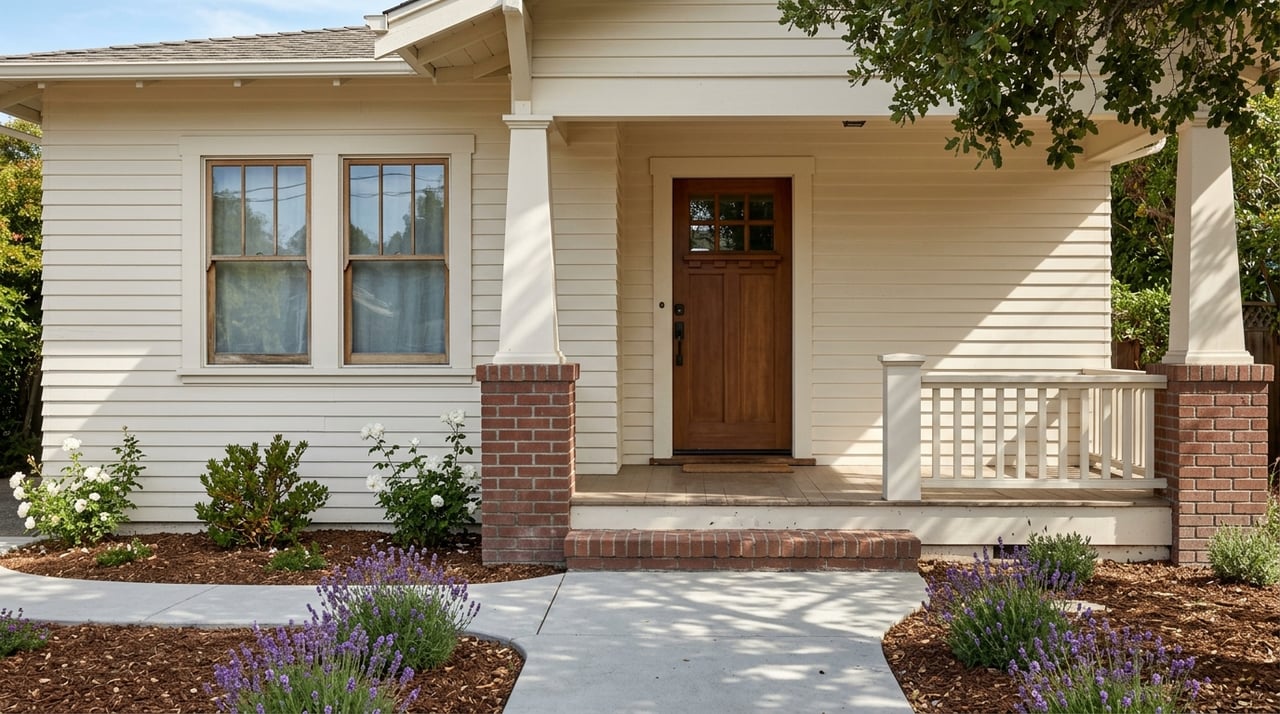
Thinking about buying a classic home in Elmhurst? It is easy to fall for the charm first. The tree-lined streets, early 20th-century architecture, and established layout can make these homes feel special from the moment you arrive. But if you are serious about buying in Elmhurst, you need to look past the finishes and understand how age, condition, and documentation can affect the home you choose. Let’s dive in.
Why Elmhurst stands out
Elmhurst has roots as a streetcar-era Sacramento neighborhood, and that history still shapes what you see today. According to a City of Sacramento historic resources report, the subdivision was created in 1908 and planned with wide boulevards, central parks, and elm trees that gave the neighborhood its name.
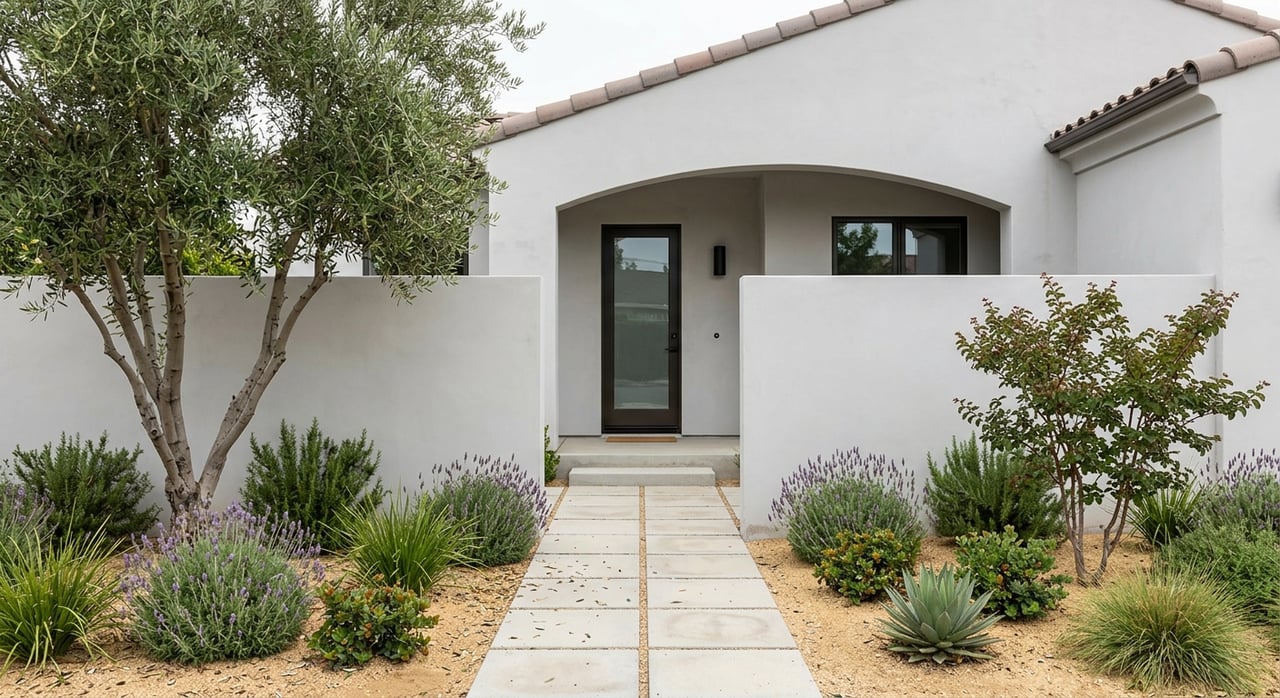
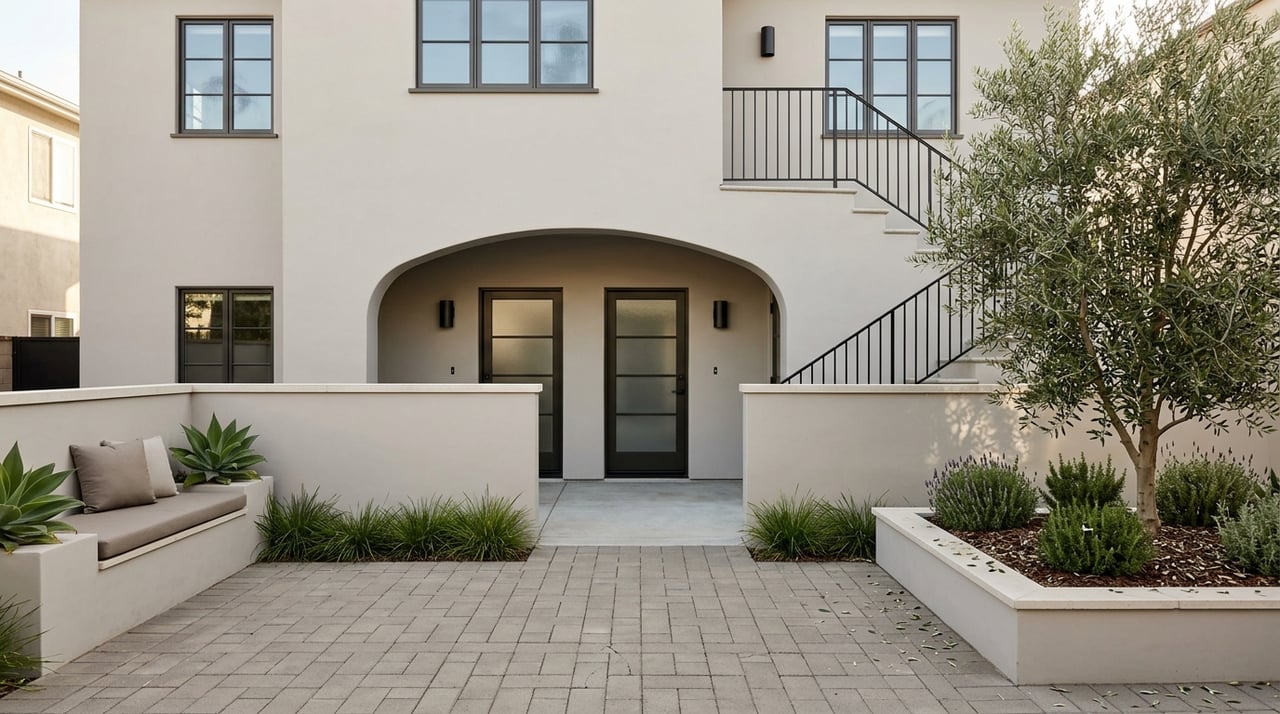
That same report notes that many homes were built in modest scale with influences such as Craftsman, Spanish Colonial Revival, Tudor Revival, Colonial Revival, and Minimal Traditional styles. In practical terms, that means Elmhurst buyers are often paying for more than square footage. You are also buying into architectural character, original block patterns, and a neighborhood layout that has stayed remarkably intact.
What classic-home buyers should expect
Older homes can offer warmth and personality that newer construction often cannot match. At the same time, homes from the early 20th century usually need a different level of due diligence than a recently built property.
The goal is not to avoid older homes. The goal is to understand which issues are typical for the age, which repairs are manageable, and whether past updates were done properly.
Foundation and drainage matter
One of the biggest practical issues for Sacramento buyers is soil movement. Sacramento County says expansive soils make up about one third of local soil types, and those soils can cause foundations to rise and fall with seasonal moisture changes.
For you as a buyer, that means foundation performance should be reviewed carefully. Doors that stick, windows that do not operate smoothly, visible cracking, grading issues, gutter problems, and crawlspace moisture can all be worth a closer look. In many Elmhurst homes, a thorough structural inspection and a close review of drainage conditions are especially important.
Lead-based paint is a real consideration
If you are looking at a classic Elmhurst home, there is a strong chance it was built during a period when lead-based paint was commonly used. The EPA says 87% of homes built before 1940 and 24% of homes built between 1960 and 1978 contain some lead-based paint.
That does not automatically mean a home is unsafe. It does mean you should ask smart questions, especially if you plan to remodel, sand, scrape, or disturb painted surfaces. For pre-1978 homes, lead disclosure rules also apply during the sale process.
Asbestos may come up during renovations
Asbestos is another age-related issue that often comes up with older properties. The EPA explains that older buildings may still contain legacy asbestos in materials such as floor tiles, ceiling materials, pipe wrap, insulation, roofing, or siding.
This does not mean every older Elmhurst home has an asbestos problem. It does mean that if you are buying a house with plans for repairs or remodeling, asbestos should stay on your due-diligence checklist. The main risk comes when those materials are disturbed.
Pest and wood damage checks are key
Wood-destroying organisms are another common concern in older California homes. The California Structural Pest Control Board says many lenders require inspections for wood-destroying pests and organisms, and its database can show whether a WDO inspection report exists for a property within the last two years.
For a classic home buyer, this report can be extremely useful. It may reveal active issues, prior treatment, or repair recommendations that help you better understand the property before closing.
Look beyond cosmetic updates
Fresh paint, updated kitchens, and new fixtures can make a home show well, but they should not be the end of your review. In a neighborhood like Elmhurst, the more important question is often whether major systems were updated in a coordinated and documented way.
That includes items like:
- Electrical work
- Plumbing updates
- Roof replacement
- Heating and cooling systems
- Additions or structural changes
- Repairs tied to water intrusion or drainage
A beautiful remodel is more reassuring when the work was professionally completed and supported by records.
Check permit history early
The City of Sacramento says building permit cards from the early 1900s through 1982 can be viewed online, though the city does not have building plans prior to 1955. For buyers, that means records for classic homes may be incomplete, but permit history can still be very helpful.
If a home has a remodeled kitchen, updated bath, converted garage, room addition, or major system replacement, permit records can help you confirm what was done and when. Even partial records can offer important clues about the property’s history.
Historic status can affect future projects
Before you buy, it is also smart to verify whether the property is located in a historic district or has historic landmark status. The City of Sacramento says there are 30 historic districts in the city, many in the urban core, and projects in historic districts must follow specific standards.
That does not have to be a negative. Many buyers value the preservation of neighborhood character. But if you are planning major exterior changes, additions, or design alterations, address-specific historic status is something you should check before moving forward.
Understand disclosures before you offer
In California, the Real Estate Transfer Disclosure Statement plays an important role in most 1-to-4 unit residential sales. The California Department of Real Estate says the TDS describes the condition of the property, but it is not a warranty and does not replace inspections.
The same DRE guide says sellers must disclose known environmental hazards such as asbestos, radon gas, lead-based paint, formaldehyde, fuel or chemical storage tanks, and contaminated soil or water. If you are buying an older Elmhurst home, these disclosures deserve close review.
For most pre-1978 homes, the EPA says buyers have the right to receive lead hazard information before signing and to have an opportunity to inspect for lead hazards. This is one more reason to read the disclosure package carefully instead of treating it as routine paperwork.
A smart Elmhurst buyer checklist
If you want to buy with confidence, it helps to use a checklist that matches the age and character of the neighborhood. A classic Elmhurst home often calls for more layered due diligence than a newer property.
Here is a practical starting point:
- Review the seller disclosure package carefully
- Read the TDS and note any repairs, defects, or known hazards
- Order a general home inspection
- Consider added attention to foundation, drainage, and crawlspace conditions
- Review pest or WDO findings and related repair receipts
- Check permit history for major updates or additions
- Ask whether electrical, plumbing, roof, and HVAC work were professionally completed
- Confirm whether the address falls within a historic district or has landmark status
- Review lead disclosure documents for pre-1978 homes
- Ask questions about renovation materials if you plan future work
This approach helps you separate preserved character from deferred maintenance and undocumented work.
Why preparation gives you an edge
Elmhurst remains appealing because it combines historic design, established streetscapes, and homes with real architectural personality. That appeal is exactly why buyers should prepare well. In this part of Sacramento, the best purchase decisions usually come from understanding the house as a system, not just admiring the staging.
When you know what to review, you can move with more clarity and confidence. You are better positioned to evaluate value, anticipate repair needs, and decide whether a specific home fits your budget, goals, and tolerance for future projects.
If you are considering a classic home in Elmhurst and want local guidance grounded in neighborhood knowledge, connect with Gonsalves Real Estate Properties. You will get straightforward advice, informed property analysis, and support that helps you buy with confidence.
FAQs
What makes Elmhurst homes different from newer Sacramento homes?
- Elmhurst homes often stand out for their early 20th-century architecture, modest historic scale, and original neighborhood layout, including wide boulevards and landscaped medians.
What inspection issues matter most when buying an older Elmhurst home?
- Foundation movement, drainage, crawlspace moisture, wood-destroying organisms, and the condition of major systems like electrical, plumbing, roof, and HVAC are all important to review.
What should buyers know about lead-based paint in Elmhurst homes?
- Because many Elmhurst homes were built before 1978, buyers should expect lead disclosures to be relevant and should ask questions if they plan repairs or remodeling.
How can buyers check permit history for a classic Sacramento home?
- The City of Sacramento provides online access to building permit cards from the early 1900s through 1982, which can help buyers verify some past work even if full building plans are not available.
Why should buyers check historic district status in Elmhurst?
- A property’s historic status can affect future remodeling or exterior changes, so buyers should verify address-specific status before making plans for improvements.