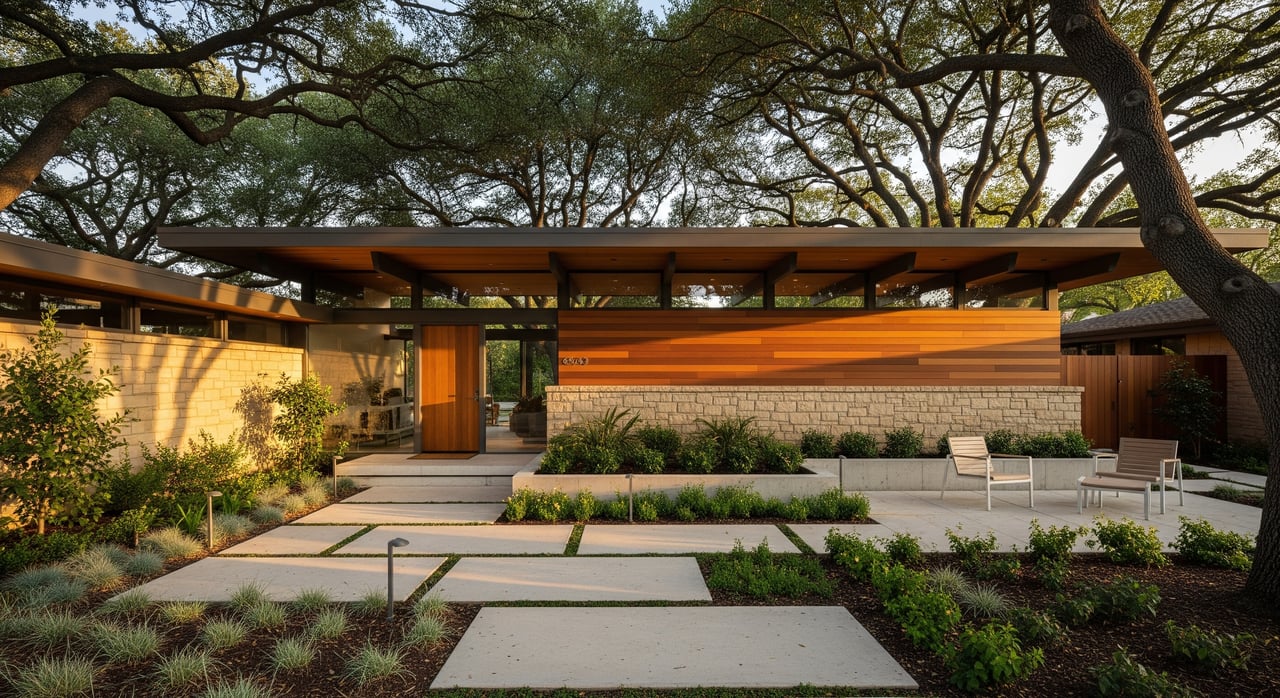
Love the look of clean lines, big windows, and easy indoor-outdoor living? In South Land Park’s 95822, many homes were built during the 1940s through the 1960s, which makes mid-century style part of the neighborhood’s DNA. Whether you are buying or you already own, understanding the features that define this era helps you make smarter updates that enhance livability and long-term value. This guide shows you what to look for and how to plan period-respectful improvements that work for modern life. Let’s dive in.
Why mid-century matters in 95822
Mid-century homes fit Sacramento’s climate and lifestyle. You often get single-story living, large windows, and layouts that flow to the yard, which makes everyday life feel comfortable and connected.
The style remains popular with many buyers who like original details or a clean, modern look. Most people still expect efficient systems and updated kitchens and baths, so the sweet spot is authenticity with smart upgrades that you do not notice at first glance.
Before you renovate, verify whether your home is within a local historic overlay or subject to design review. The City of Sacramento Planning and Historic Preservation staff can confirm requirements and help you plan exterior changes the right way.
Common home types in South Land Park
Ranch houses
The classic ranch is the dominant mid-century form in 95822. Look for low, horizontal profiles, L or U-shaped plans, and an attached garage or carport. Interiors often have an open relationship between living and dining areas.
Split-level and raised ranch
Some homes introduce short level changes that separate living and sleeping areas. These designs still read as low and horizontal, just with a subtle step that creates visual interest and functional zones.
Transitional post-war cottages
You will also see smaller cottages from the late 1940s and early 1950s. Detailing is simple and floor plans are modest, often preceding the larger ranch homes that followed.
Floor plan cues to recognize
Many homes are single story or have a gentle step-down to a family room. Older plans may include a separate formal living room and dining room, and the original kitchens were usually compact galley or U-shapes.
Bedrooms tend to cluster on one side of the house, with the main bedroom often near the backyard. Built-in storage, bookcases, and niches are common, but closets are smaller than what you see in newer construction.
Garages or carports are integrated into the facade and driveways are modest, which keeps the street frontage human-scaled and walkable.
Exterior character and curb appeal
Low-pitched or shallow gable roofs with wide eaves create strong horizontal lines. You will often see large picture windows, sliding glass doors, and sometimes clerestory windows that bring light deep into living spaces.
Porches are simple. Look for deep overhangs and the occasional exposed beam or rafter. Yards were designed for easy outdoor living, with patios and modest lawns that many owners now replace or complement with drought-friendly landscaping.
Materials and finishes worth preserving
Exterior materials
Common exterior materials include wood cladding like horizontal lap or board-and-batten, plus brick or stone veneer accents. Exposed aggregate concrete is typical for walkways and porches, and stucco appears in some homes with restrained detailing.
Original window assemblies are often aluminum or wood framed with minimal grid patterns. The glazing is a key part of the mid-century look, so treat it as a feature.
Interior finishes and built-ins
Expect hardwood floors such as oak or fir. Some homes include terrazzo, while kitchens historically used sheet vinyl or linoleum. Walls are plaster or drywall with simple trim that keeps the focus on form and light.
Built-ins are a hallmark. Bookshelves, window seats, cabinetry, and niche elements add function and character. In the kitchen, slab or flat-front cabinets and laminate countertops fit the period, and original appliances are uncommon but valuable when present.
Bathrooms tend to be small with tile walls and floors, modest vanities, and medicine cabinets. If you find intact tile in good condition, consider preserving it.
Fixtures and hardware
Mid-century homes typically use clean, geometric hardware in chrome or brass. Lighting ranges from simple flush fixtures to globes and sputnik-style pendants. Moldings are minimal to keep lines crisp.
Period-respectful updates that live well today
Kitchens that balance form and function
- Keep the footprint if it works, or open a wall to restore an easy flow to adjacent living areas.
- Choose slab-front cabinets in wood tones like walnut or birch, or a simple painted finish. Laminate or quartz that echoes vintage colors can look right and wear well.
- Use minimal trim and mid-century-friendly hardware such as cup pulls or straight bar pulls.
Bathrooms with timeless simplicity
- Preserve original tile when feasible or replicate the scale and color in new materials.
- Select fixtures with simple profiles. Floating vanities and compact cabinetry echo period proportions.
Windows and doors without losing character
- Preserve large picture windows and sliders whenever possible. If energy upgrades require replacements, match the original sightlines, frame thickness, and operation.
- Consider retrofit options like interior secondary glazing to improve thermal performance while keeping existing frames.
Mechanical and energy upgrades that disappear
- Opt for high-efficiency systems such as split or mini-split HVAC that can be installed with minimal visual impact.
- Prioritize attic insulation, air sealing, and discreet ducting. If installing solar, place panels on less visible roof planes to protect curb appeal.
Additions that fit the house
- Favor small rear additions that continue the original rooflines, proportions, and eave depths.
- Match materials and detailing to blend new work with the existing form.
What to avoid
- Heavy Mediterranean or Craftsman ornamentation that conflicts with simple mid-century lines.
- Replacing wood siding with vinyl that changes the profile and scale of trim.
- Removing large picture windows or adding steep roofs that break the horizontal emphasis.
- Overly themed “retro” details that feel inauthentic.
Permits, codes, and preservation basics in Sacramento
Structural changes, many window replacements, and most system upgrades require building permits in the City of Sacramento. Exterior work may trigger additional review if your property is within a local historic overlay. Contact the City’s Planning, Historic Preservation, and Building divisions before you begin.
California’s building and energy codes apply to permitted work. There are established best practices for improving energy performance in older homes while preserving key features. Common, preservation-friendly steps include attic insulation, air sealing, efficient HVAC, and sensitive window upgrades that maintain original proportions.
Some mid-century homes sit on slab or simple foundations. Seismic, foundation, or accessibility improvements may be advisable and should be performed by licensed professionals with the correct permits.
Professionals who can help
- Architect or designer with mid-century or rehabilitation experience.
- Preservation carpenter or contractor for wood siding, original window repair, and built-ins.
- Mechanical contractor experienced with discreet HVAC and energy upgrades.
- City historic preservation staff for guidance on local review and potential incentive programs.
Market and value takeaways
Many buyers prize authenticity and well-executed renovations that keep the mid-century spirit. Homes that pair period character with modern systems, efficient windows, and updated kitchens and baths often see stronger interest.
Over-modernization that removes defining features can narrow appeal. Restoring original elements can be cost-effective when materials are sound, while energy and systems upgrades often pay off through comfort, efficiency, and broader buyer interest. Ask about available rebates or programs that may offset costs for HVAC, insulation, or solar.
Quick 95822 checklist for buyers and owners
- Before you buy or remodel:
- Confirm the construction date and whether the home is in a local historic overlay with the City of Sacramento.
- Inspect systems: roof, foundation, plumbing, electrical, and HVAC.
- Inventory original features to preserve, such as windows, built-ins, hardwood, and terrazzo.
- When planning improvements:
- Handle structural and systems work first, then cosmetics.
- Match original window openings and sightlines when replacing, or consider retrofit glazing.
- Keep kitchen and bath footprints where it makes sense and echo mid-century lines in new finishes.
- Who to hire:
- Licensed general contractor with older-home experience.
- Architect or designer familiar with mid-century rehabilitation for larger scopes.
- Preservation specialist for original windows, terrazzo, and built-ins.
- Budgeting tips:
- Allocate more to hidden systems for safety and comfort, less to surface treatments.
- Get multiple bids and check references specific to older homes.
Ready to buy or improve in South Land Park?
If you are shopping for a mid-century home in 95822 or planning updates to one you own, you deserve local guidance that respects both style and value. Our team knows how to position character homes for the market and how to advise on updates that resonate with today’s buyers. Connect with Gonsalves Real Estate Properties to talk strategy or request a Free Home Valuation.
FAQs
What defines a classic South Land Park mid-century ranch?
- Low rooflines with wide eaves, large picture windows, an attached garage, and a simple floor plan with easy flow to the backyard.
How can I upgrade windows without losing the mid-century look?
- Preserve existing openings and match sightlines and frame thickness if you replace. Consider interior secondary glazing to improve efficiency while keeping original frames.
Do I need a permit to remodel a mid-century home in Sacramento?
- Most structural changes, system upgrades, and many window replacements require permits. Check with the City’s Planning, Historic Preservation, and Building divisions before starting work.
Are solar panels appropriate for mid-century roofs?
- Yes, when placed on less visible roof planes or flat overhangs so the street view remains consistent with the home’s horizontal character.
Which updates add the most value in 95822 mid-century homes?
- Efficient HVAC, insulation, and sensitive window upgrades, paired with kitchens and baths that keep simple lines and quality materials, tend to attract strong buyer interest.