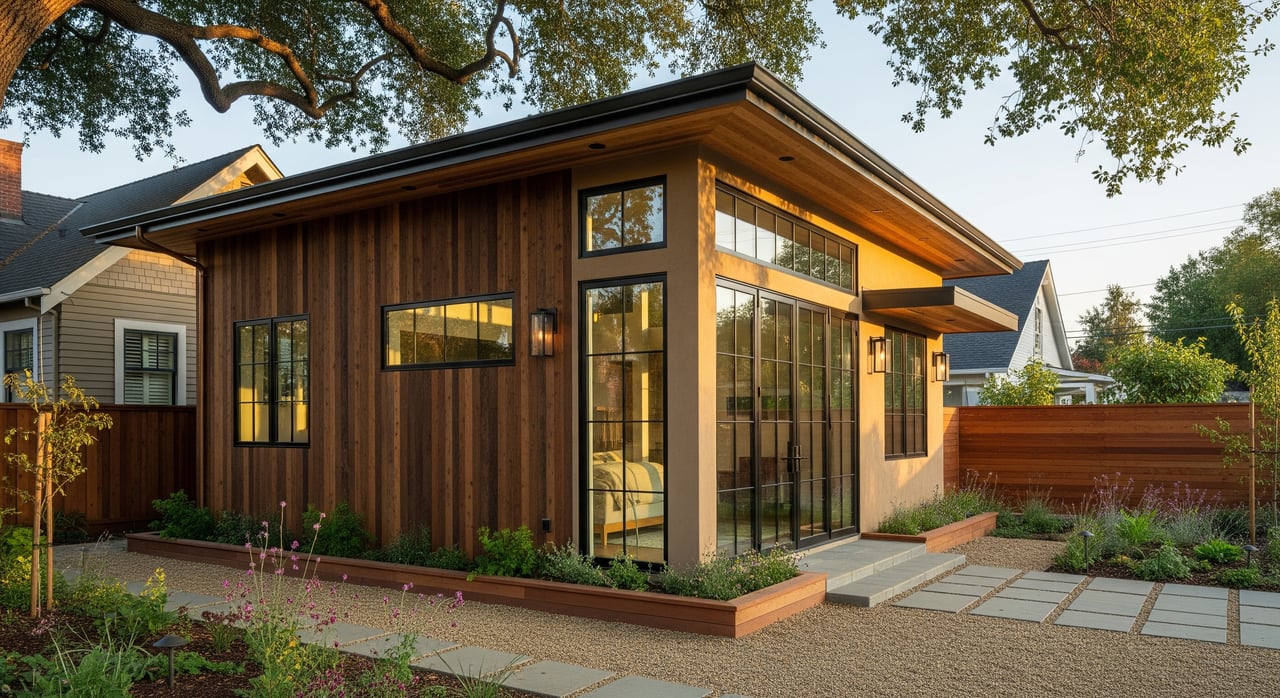
Thinking about adding an accessory dwelling unit to your East Sacramento property? An ADU can open the door to rental income, create space for family, and boost long-term flexibility. If you are unsure how the rules work or where an ADU could fit on your lot, you are not alone.
In this guide, you will learn what counts as an ADU, how Sacramento’s rules apply, common design patterns that work on East Sac lots, typical timelines and costs, and smart next steps. You will also see real placement scenarios to help you picture what is possible on your property. Let’s dive in.
What an ADU is and why it matters
An accessory dwelling unit is a secondary home on the same parcel as your main house. It includes a place to sleep, a bathroom, and a kitchen or kitchenette. It is different from a short-term rental or any commercial use.
Common ADU types include:
- Detached ADU. A standalone building in the backyard, sometimes above or beside a garage.
- Attached ADU. An addition that connects directly to the main house.
- Junior ADU (JADU). A smaller unit created within the footprint of the primary dwelling, often with a kitchenette and limited size.
- Conversion ADU. A conversion of existing permitted space, such as a basement, attic, or garage.
Homeowners in East Sacramento usually pursue ADUs for a few clear reasons: steady long-term rental income, space for aging parents or extended family, flexible guest or office space, and a potential boost to resale value and marketability.
Why ADUs fit East Sacramento lots
Many East Sac parcels are older, single-family lots that are about 50 feet wide by 120 to 125 feet deep. That size and shape can support several ADU layouts. Many blocks also have rear alleys, which makes access and parking easier for a backyard unit.
Detached garages at the rear are common. Some are underused or need work, which makes them good candidates for conversion. Architectural styles vary, including bungalow craftsman, colonial revival, cottage, and Tudor. If you are near a historic or conservation area, design compatibility will matter.
The rules you need to check first
California ADU laws set the baseline. Cities like Sacramento must follow state rules that prevent excessive local barriers. Local rules still apply to zoning, objective design standards, building codes, and some fees, so your first step is to confirm details for your address with City of Sacramento Planning and Building.
Here is what to verify for your parcel:
- Zoning and allowed units. Zoning affects whether an ADU and a JADU are allowed on a single-family lot. Confirm the specific allowance for your property.
- Historic or conservation overlays. These areas can require design review and specific exterior standards.
- Objective standards. Setbacks, maximum height, floor area limits, lot coverage, and any minimum lot size.
- Parking rules. State law allows reductions or waivers in many cases. Conversions often do not trigger new parking requirements. Local proximity to transit and alley access can influence parking.
- Fees and connections. State law limits some impact or connection fees for smaller ADUs, often those under 750 square feet. Larger units can face proportional fees. Confirm the current City policy before budgeting.
- Owner occupancy. State law has limited local owner-occupancy requirements in many cases, but verify Sacramento’s current rule set.
- Private restrictions. CC&Rs, easements, and HOA rules can restrict ADUs even if the City allows them. Always check your title documents.
Siting patterns that work in East Sac
These ADU layouts often fit typical East Sacramento lots and contexts:
Garage conversion in the rear
- Why it works: Uses the existing footprint, can avoid new taps, and often has reduced parking impacts under state rules.
- Considerations: Structural upgrades, utilities, and design compatibility if you are in a historic area.
Detached ADU in the backyard
- Why it works: Provides privacy and a separate entry, and often aligns well with alley access.
- Considerations: Setbacks, height, lot coverage, and tree protection rules. Think about how a new foundation and utilities will run to the rear.
Attached ADU or interior JADU
- Why it works: Often the most cost-effective and fastest to permit, and it preserves yard space. JADUs are helpful for multigenerational living.
- Considerations: Interior reconfiguration, plumbing and electrical routing, and maintaining the character of the main home.
Upper-story ADU over a garage
- Why it works: Maximizes use of the existing footprint where lot coverage is tight.
- Considerations: Height limits, stairs and privacy, design review, and potential shading of neighbors.
Constraints you are likely to encounter
- Historic or conservation districts. Exterior changes can trigger design review and stricter standards for materials and massing.
- Setbacks and height. Rear and side yard setbacks shape what can fit, especially near alleys. Height caps can affect two-story plans.
- Lot coverage and FAR. Total covered area can be a limiting factor, especially on smaller lots.
- Trees and landscaping. Mature trees are common in East Sac, and protection rules can affect where you can place your ADU and utilities.
- Utilities and sewer lateral. Older parcels may need sewer lateral repair or replacement and electrical upgrades.
- Parking. Conversions frequently have reduced or waived new parking requirements under state rules. Alley access can support a space behind the house if needed.
- Private covenants. CC&Rs and HOA rules can restrict ADUs. Verify before you design.
The permitting path and who is involved
Your ADU will move through a few City departments and steps:
- Planning and design. Confirm zoning, overlays, and whether your project qualifies for ministerial approval under objective standards.
- Site planning. Prepare a site plan that shows the house, setbacks, trees, easements, alley access, and the proposed ADU location. A survey may be required.
- Plans and engineering. Prepare architecture, structural details, energy compliance, and plumbing and electrical plans.
- Building submittal and plan check. Expect review cycles and corrections. Fire and utility reviews may happen in parallel.
- Permits and construction. After permits are issued, you will move through inspections until final occupancy.
If you are in a historic area or need a variance, expect added review and time.
How long an East Sac ADU can take
Timelines vary with scope, review, and contractor availability. As a general frame of reference:
- Ministerial approvals that meet objective standards often land in weeks to a few months, commonly 60 to 90 days if your submittal is complete.
- Projects that require design review, historic review, or variances can stretch for several months or more.
- Construction for a garage conversion is often several weeks to a few months. New detached builds can take several months up to a year depending on complexity.
Costs and financing at a glance
Budget ranges depend on size, finish level, and whether you are converting space or building new.
- Permitting and plan check fees. Typically in the thousands of dollars, but the total varies by scope and size.
- Construction costs. Conversions are usually less expensive than new detached builds. Expect a spread from tens of thousands of dollars for simpler conversions to the high tens or hundreds of thousands for larger, new detached ADUs.
- Impact and connection fees. Smaller ADUs may receive reduced or no certain fees, often under 750 square feet. Larger units can face proportional connection fees. Confirm the current City policy.
- Utility upgrades. Older sewer laterals and electrical panels can add meaningful cost.
- Financing options. Owners often use cash, HELOCs, cash-out refinances, ADU-focused loans, construction loans, or owner-builder financing. Local lenders familiar with ADUs can help you compare structures.
East Sacramento placement examples
These examples illustrate common fits on East Sac parcels. Always verify against your property’s zoning, overlays, and utilities.
Scenario A: Alley-facing ADU over a garage
A typical older lot with a rear alley and a single-car garage. Replace the garage with a new garage and studio ADU above, accessed from the alley. This preserves your front yard character and uses the alley for parking and access.
Key checks: Height limit, exterior compatibility if near a historic street, structural design for the second floor, and privacy for stairs and windows.
Scenario B: One-story detached ADU in the rear yard
Place a modest one-bedroom ADU toward a rear corner, with a small private patio and an alley or side-yard path for access. This can work well where yard depth is sufficient and mature trees can be preserved.
Key checks: Setbacks, lot coverage, open space, and routing of water and sewer lines. You may need a new water connection.
Scenario C: Garage conversion to a one-bedroom ADU
Convert an existing rear garage to a one-bedroom ADU. You keep the same footprint, which is often faster to permit and build.
Key checks: Whether removing covered parking is allowed under local rules, the condition of the existing structure, and whether upgrades make financial sense compared to new construction.
Scenario D: JADU within the main house
Convert a first-floor bedroom and adjacent space into a JADU with a kitchenette and its own entrance. This is a lower-cost way to support multigenerational living while preserving backyard space.
Key checks: JADU size limits, a separate entry, and code-compliant fire and life safety.
Smart next steps for East Sac owners
- Confirm whether your address is in the City of Sacramento or unincorporated County, then verify zoning and any historic or conservation overlays.
- Schedule a preliminary consult with City planning staff. Ask about ADU allowances, parking rules, objective standards, and potential design review triggers.
- Order a site survey and pull title documents to check for easements and CC&Rs.
- Speak with an architect and contractor who have East Sacramento experience to get rough cost and timeline ranges.
- Decide on a financing path and talk with lenders who understand ADU projects.
Pitfalls to avoid
- Starting design before checking CC&Rs or historic overlays.
- Underestimating the cost and time of sewer lateral or electrical upgrades.
- Overlooking tree protection rules that impact foundations and trenching.
- Assuming ministerial timing when your project needs design review or a variance.
How we can help you move forward
If you are weighing an ADU as part of your long-term plan, you will want clear guidance on resale impact, rental potential, and timing. Our team knows East Sacramento lots, alleys, and overlays at a street level. We provide data-backed pricing insights for sellers and market-savvy advisory for buyers and investors so you can make a confident decision.
When you are ready to talk through the value impact of an ADU on your home or a purchase, reach out to Gonsalves Real Estate Properties for local, accountable advice. Request a Free Home Valuation at Gonsalves Real Estate Properties.
FAQs
How many ADUs can I build on a single-family lot in Sacramento?
- Often one ADU plus one JADU is allowed under state law, but you should confirm the current City of Sacramento allowances for your specific zoning and lot.
Do I need to live on the property if I add an ADU?
- State law restricts local owner-occupancy requirements in many cases, but you should verify Sacramento’s current policy before you plan your project.
Will I need to add parking for an ADU in East Sacramento?
- Parking requirements are frequently reduced or waived, especially for conversions or if the site is near transit, so check Sacramento’s code and whether alley access changes what is required.
Will an ADU increase my property taxes in Sacramento County?
- Adding habitable square footage typically increases assessed value, so contact the County Assessor to discuss valuation and potential tax impacts for your project.
Can CC&Rs or an HOA block my ADU even if the City allows it?
- Yes, private covenants and HOA rules can restrict ADUs and are enforceable between private parties, so review your title documents before you design.
Are there special design rules if my East Sac home is in a historic area?
- Expect design review and stricter exterior standards in historic overlays, and plan to consult early with the City’s preservation staff to reduce delays.