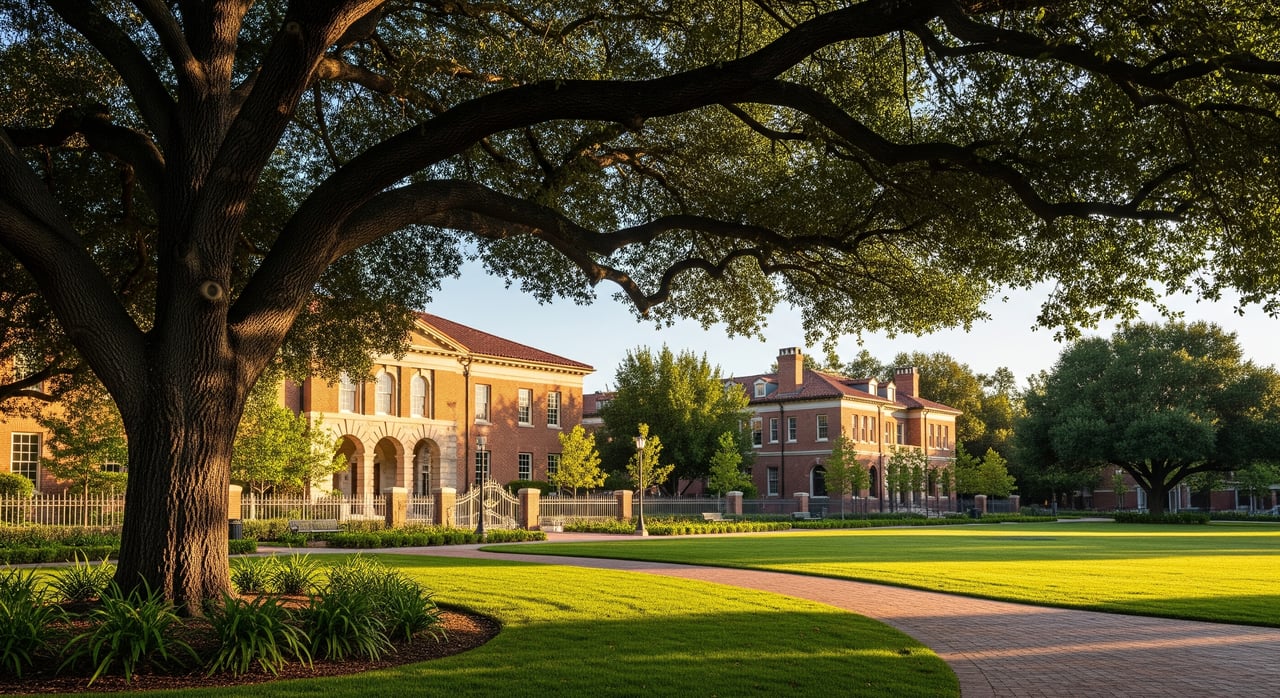
Thinking about freshening up your curb appeal in College Greens and eyeing that street tree out front? Before you trim a branch or schedule removal, it pays to understand Sacramento’s rules. Street trees and certain private trees are protected, and the City requires permits in many situations. A little planning now can save you from fines, delays, and last‑minute surprises.
In this guide, you’ll learn when permits are needed, how Sacramento 311 and Urban Forestry handle requests, and the exact steps to prep your project the right way. Let’s dive in.
Street trees vs. private trees
College Greens is inside the City of Sacramento. That means the City’s Urban Forestry Division manages trees in the public right‑of‑way, including the parkstrip between the sidewalk and curb in front of your home. Even if a street tree is in front of your property, it is considered a City tree.
Private trees on your lot follow City tree rules if they meet the City’s definition of a protected tree. These criteria are set in the municipal code and can include size, species, or special designation. If you are not sure, check with 311 or City staff to confirm status before you plan work.
If you ever wonder whether County rules apply, remember that College Greens is within the city boundary, so City regulations govern your street and protected tree decisions.
When you need a permit
Street trees in the parkstrip
If the tree is in the public right‑of‑way, you should assume City authorization is required for pruning, removal, relocation, or planting. Homeowners should not prune or remove these trees on their own. The City can assess penalties for unauthorized work, and you may also be responsible for replacement.
When the City approves a removal, you can expect a replacement requirement. That could mean planting a new tree on site or contributing a fee in lieu. Species selection and size are regulated to support the City’s urban canopy goals.
Protected private trees
Private trees may be protected based on size, species, or designation. If a tree on your lot is protected, permits are commonly required for major pruning that changes the structure of the tree or for removal of a healthy tree. Emergency work is treated differently but typically requires prompt notification and verification.
For removal or substantial work on a protected tree, the City often requires a report from a qualified arborist. The report documents the tree’s condition, risk, and justification for removal or significant pruning.
Emergencies and minor work
If a tree poses an immediate public safety hazard, the City prioritizes that situation. You should notify 311 right away and follow City instructions. The City may act immediately, and documentation or a follow‑up inspection may be required.
Minor maintenance on private, non‑protected trees is usually simpler, but check before you act. For street trees, the City generally wants to perform or authorize pruning even if it seems minor.
How 311 and Urban Forestry work
What happens after you contact 311
You will start by submitting a request through Sacramento 311 by phone, online, or app. Include your address, photos, and a brief description of the issue or request. You will receive a service request number and basic status updates.
311 routes your request to Urban Forestry. An inspector schedules a field visit to assess the tree. After inspection, the City will decide whether to approve pruning, approve removal with conditions, deny the request, or ask for more information such as an arborist report. If a permit is required, you will submit the application, any required documents, and fees, then wait for issuance.
What inspectors evaluate
City inspectors consider several factors:
- Public safety risk, with emergencies taking priority.
- Tree health and structure, including disease and pest issues.
- Conflicts with utilities, sidewalks, driveways, and other infrastructure.
- Alternatives to removal, such as root pruning, root barriers, sidewalk repair, or crown reduction.
- Species value and canopy goals consistent with the City’s Urban Forest Management Plan.
- Compliance with municipal code and Urban Forestry policies.
Timelines you can expect
Response and inspection times vary. Emergencies move faster, while routine pruning or planting requests may take days to weeks depending on workload and budget. If your project requires a permit and an arborist report, expect a longer timeline. When projects involve sidewalks, driveways, or street work, Urban Forestry may coordinate with Public Works, which can also affect timing.
Step‑by‑step before curb‑appeal work
Quick pre‑project checklist
Use this checklist before you prune, remove, or plant:
- Confirm where the property line and public right‑of‑way are. If you are unsure, ask 311.
- Contact Sacramento 311 before any work on street trees or suspected protected trees and keep your service request number.
- Determine whether the tree is a City street tree or a protected private tree with help from Urban Forestry or the municipal code.
- If you plan to remove a healthy or large tree, budget for an arborist report prepared by a qualified arborist.
- Check the City’s approved species lists and planting standards before you choose a replacement.
- Plan for replacement requirements. Know acceptable planting locations and sizes.
Documents you may need
Have these items ready if a permit is required:
- Completed City permit application.
- Simple site plan or sketch showing the tree relative to your house, sidewalk, curb, utilities, and property lines.
- Photos of the tree, including overall shots and close‑ups of defects.
- Arborist report for protected or healthy trees when requested. Include species, diameter at breast height, health and structural assessment, risk rating, and recommended mitigation or replacement plan.
- Neighbor notification or consent if the City requires it for your situation.
- Payment for permit and any mitigation or replacement fees.
Tips to avoid fines and delays
- Do not prune or remove a street tree yourself. Request City authorization first.
- Start early. Build in time for inspection, permit review, and optimal planting windows. Sacramento’s best planting season is usually fall to winter.
- Use licensed and experienced contractors when work is permitted. Expect pruning to follow recognized standards such as ANSI A300 and ISA best practices.
- Coordinate near utilities. Consult with utility providers or let the City coordinate when the tree conflicts with overhead lines or underground service.
- Match species to space. Choose trees that fit narrow parkstrips and allow for overhead clearance.
- If sidewalks are damaged, discuss alternatives with the City. Root pruning, barriers, regrading, or targeted replacement may be preferred over full removal.
College Greens scenarios to expect
Replacing a driveway apron near a street tree
If the tree is in the parkstrip, do not cut roots or limbs without City approval. Submit a 311 request early so Urban Forestry can evaluate conflicts and recommend mitigation or pruning standards.
Storm‑damaged limbs after heavy winds
Report hazards to 311 right away. The City prioritizes public safety, may act quickly, and will document what work is needed. Keep your service request number and take photos for your records.
Planting a new shade tree in front
If the location is in the right‑of‑way, check the City’s planting standards before you buy. You may need City authorization and must select from approved species and sizes. If planting on private property, choose a species and spacing that will not create future conflicts with sidewalks or utilities.
Sidewalk lift around mature roots
Do not grind roots or remove the tree without guidance. Ask 311 for an inspection. Urban Forestry often looks for alternatives like selective root pruning, barriers, or sidewalk work that can save a high‑value tree.
Resources to confirm current rules
Because thresholds, fees, and replacement rules can change, always confirm the latest requirements before you schedule work. Key sources include:
- City of Sacramento Urban Forestry Division for street tree policy, planting lists, pruning standards, and the Urban Forest Management Plan.
- Sacramento 311 for submitting tree requests, reporting hazards, and tracking responses.
- City of Sacramento municipal code for legal definitions, protections, and penalties.
- ISA‑certified arborists for professional assessments and reports.
- Sacramento Public Works or Development Services if your project ties into sidewalks, driveways, or construction permits.
If you need to find the latest forms and pages quickly, try searches like “City of Sacramento Urban Forestry street tree permit,” “Sacramento 311 tree request,” or “City of Sacramento municipal code trees.”
Partner with local expertise
If you are prepping a College Greens home for sale, smart planning around trees can protect your timeline and budget. You will also signal care to buyers by handling City requirements the right way. Our team brings deep neighborhood experience and a marketing‑first approach that helps you prioritize curb‑appeal work, time your listing, and present your home at its best.
Ready to talk strategy? Request a Free Home Valuation from Gonsalves Real Estate Properties and get a clear plan for your sale.
FAQs
Do I need a permit to prune a street tree in front of my College Greens home?
- Yes. Street trees in the public right‑of‑way typically require City authorization for pruning, removal, relocation, or planting.
How do I tell if a tree is in the public right‑of‑way in Sacramento?
- Check whether the tree sits in the parkstrip between sidewalk and curb or near the street; when in doubt, contact 311 to verify property lines and jurisdiction.
What happens if someone removes a street tree without permission in Sacramento?
- The City can enforce the code, assess fines, and require replacement or mitigation; verify current penalties and replacement rules with Urban Forestry or 311.
Do protected private trees on my property need permits for removal?
- Often yes. If a tree meets the City’s protected criteria, removal or major pruning usually needs a permit and may require an arborist report.
How long do Sacramento 311 tree inspections and permits take?
- Timelines vary by workload and urgency; emergencies are prioritized, while routine requests can take days to weeks, and permit applications may extend timelines.
When is the best time to plant a replacement tree in Sacramento?
- Fall to winter is usually the best planting season, which helps new trees establish before summer heat.