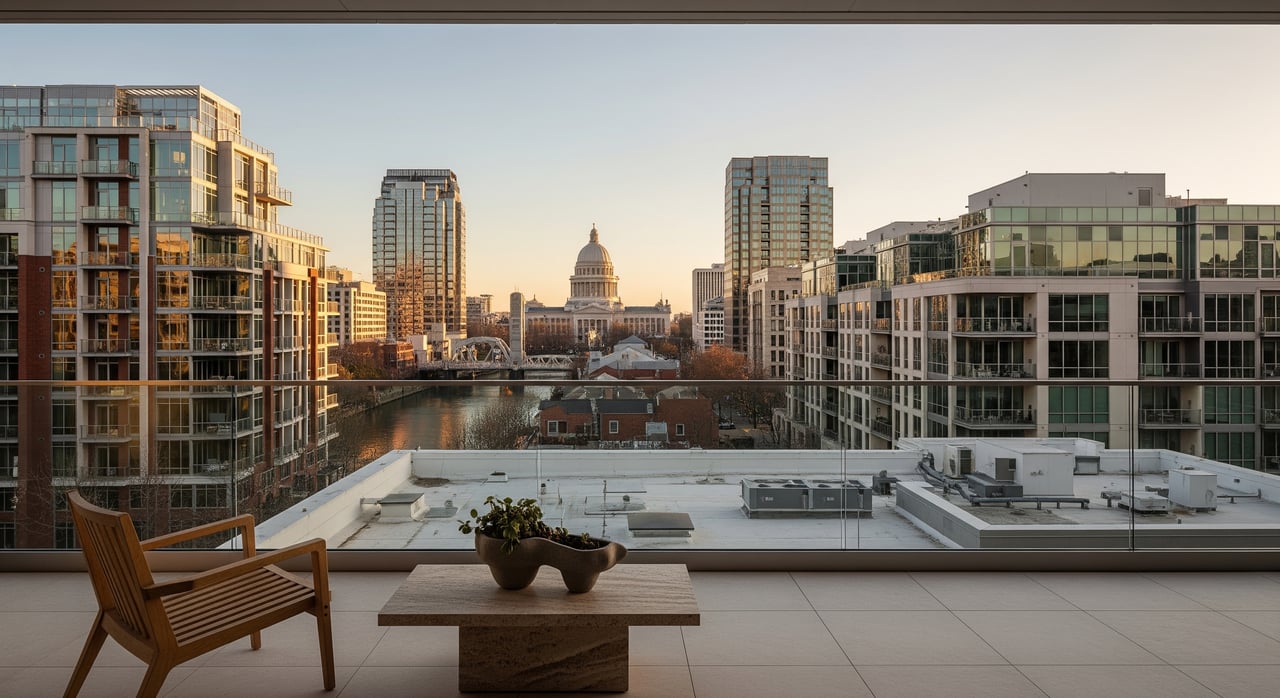
Shopping for a downtown Sacramento condo can feel like comparing apples to oranges. You see historic brick lofts, sleek mid‑rises, and a few higher‑end towers, all within a few blocks. Each building looks great online, but the real differences often hide in the HOA rules, parking, and financing limits. If you want to avoid surprises, you need a clear way to compare buildings side by side.
In this guide, you’ll get a simple, proven framework to compare the most common 95814 condo and loft buildings. You’ll learn what to expect by building type, what to verify in every HOA packet, how financing and approvals work, and which risks matter most in the urban core. Let’s dive in.
How to compare 95814 condo buildings
Start by narrowing your search to the buildings that match how you live. Downtown Sacramento’s 95814 offers four common condo archetypes. Use these as your baseline, then verify property‑level facts from current listings, HOA documents, and recent sales.
Historic loft conversions
These are older commercial or warehouse buildings converted to residences. Expect exposed brick and beams, large windows, and open floor plans. Amenities tend to be minimal. You may see bike storage or a rooftop deck, but concierge and on‑site staff are uncommon.
- Parking: Often limited. Spaces may be off‑site or deeded in a small lot. Some units sell without parking.
- HOA dues: Often low to moderate if there are few shared amenities (estimate range: about $200–$600 per month). Verify with the HOA packet.
- Price band: Entry to mid market for downtown condos, with premiums for character and location. Verify with current MLS comps.
- Resale tip: Lack of parking can shrink your buyer pool later.
Boutique mid‑rise condos
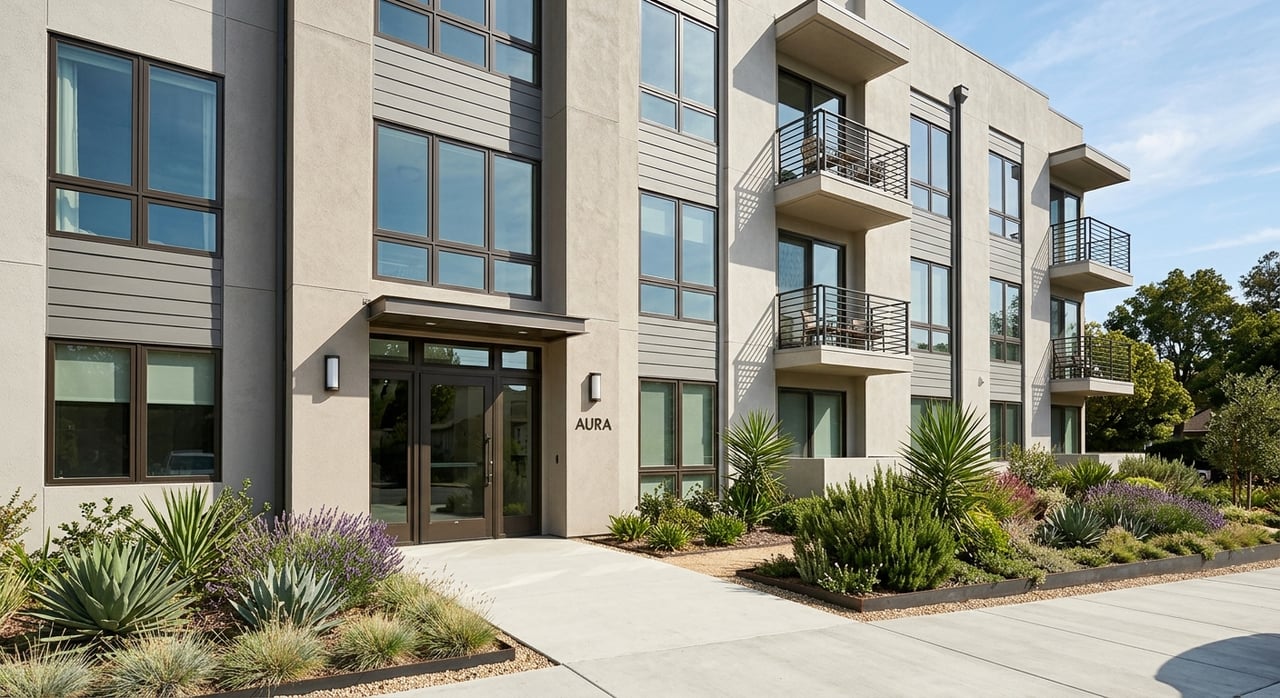
These purpose‑built or converted buildings typically run 4 to 10 stories with elevator service and secure entries. Many include small fitness rooms, a shared roof deck or courtyard, and storage lockers.
- Parking: Usually assigned spaces in a shared garage. Guest parking varies by building.
- HOA dues: Moderate, reflecting elevators and shared amenities (estimate range: about $300–$800+ per month).
- Price band: Mid to upper mid market depending on size, finishes, and views. Verify with MLS.
- Resale tip: Broad buyer appeal and often easier financing if the project meets lender requirements.
Newer high‑rise or luxury projects
Higher‑end buildings are fewer downtown, but they often offer concierge, larger gyms, secure deeded parking, and sometimes pools or rooftop spaces. You pay for the amenities and staffing.
- Parking: Typically deeded and secure.
- HOA dues: Higher, reflecting services and insurance (estimate range: about $800–$2,000+ per month depending on square footage and staffing).
- Price band: Upper fourth of the market with wide variance for views and finishes. Verify with MLS.
- Resale tip: Higher dues can affect monthly carrying costs and overall buyer demand.
Apartment‑to‑condo conversions and small associations
These may look like traditional apartment communities with uniform plans and simpler amenities like courtyards or pools.
- HOA dues: Sometimes lower, but reserve funding can vary widely.
- Resale tip: Small associations can be riskier if reserves are thin or special assessments are frequent.
Side‑by‑side comparison checklist
When you tour or shortlist buildings, collect the same set of facts so you can compare apples to apples. You can pull most of this from current MLS listings, the HOA resale packet, and conversations with the building manager.
- Core facts: Building name and address; year built or conversion year; unit count; typical unit sizes and bedroom mix.
- Parking and storage: Number of spaces per unit, deeded vs assigned, single vs tandem, guest stalls, EV charging, storage lockers or cages, bicycle storage.
- Amenities and services: Gym, pool, rooftop or courtyard, package room, elevator, secured entry, on‑site management or self‑managed, staffing hours.
- HOA dues and what they include: Water, trash, gas, cable, internet, building insurance, earthquake insurance if any, reserves.
- Financial health: Reserve fund balance or percent funded, recent or pending special assessments, delinquency rates, annual budget, insurance coverage type.
- Rules and restrictions: Rental caps, short‑term rental policies, pet policies, owner‑occupancy percentage.
- Legal and financing: Any active litigation, FHA/VA project approval status, CC&Rs on file.
- Location metrics: Property‑level walk and transit data, plus proximity to daily needs. You can look up walkability using Walk Score’s property‑level tools.
Tip: In California, HOAs must provide key resale disclosures under the Davis‑Stirling Act. Review those carefully. You can read the governing framework in the Davis‑Stirling Common Interest Development Act.
Parking, transit, and location tradeoffs
Downtown 95814 is highly walkable with strong access to light rail, buses, regional rail, and bike infrastructure. That is great for daily life and resale appeal. Still, parking is a major separator between buildings.
- Deeded parking broadens your buyer pool. Units without parking can sell, but you may face a smaller audience and longer market times.
- Off‑site or leased parking can work if you rarely drive, but confirm costs and terms in writing.
- If you live car‑free, prioritize buildings near transit lines and daily amenities. The Downtown Sacramento Partnership is helpful for local events and neighborhood context.
HOA health and your monthly costs
Your HOA affects your budget today and your resale tomorrow. Read the full resale packet and confirm details with management.
- Review the current operating budget, balance sheet, and reserve study. Adequate reserves reduce the chance of surprise assessments.
- Check the trend in dues. Very low dues with weak reserves can be a warning sign.
- Read board meeting minutes for the past year. Look for deferred maintenance, capital projects, and any litigation.
- Understand insurance. Know what the master policy covers versus what your HO‑6 policy should cover.
Common red flags include low reserves, frequent special assessments, high delinquency rates, active litigation, or delayed resale disclosures. In California, required disclosures and timelines fall under the Davis‑Stirling Act.
Financing and approvals to verify
Not every condo qualifies for every loan type. If you plan to use FHA or VA financing, confirm the building’s project status early. You can reference HUD guidance on condo approvals and project eligibility at the HUD condominiums resource.
Also ask your lender about overlays. Some lenders limit loans in small associations, buildings with high investor ownership, or projects with litigation. Early lender checks can save time and help you choose buildings that fit your financing plan.
Flood, maintenance, and building risks
Parts of downtown near the river or Old Sacramento may have flood exposure. Before you commit, check the FEMA Flood Map Service Center to confirm the property’s flood zone and any insurance needs. You can search by address at the FEMA Flood Map Service Center.
In older conversions, verify the plan for major systems like roofs, plumbing stacks, and elevators. A recent reserve study that forecasts replacements and funding is a positive sign. Ask about the history of special assessments and what is planned for the next five years.
Suitability snapshots by building type
Use these quick summaries to focus your tours on the right set of buildings.
- Historic loft conversions: Best if you value character, volume, and walkability over amenities. Good fit for car‑light lifestyles or buyers who can secure off‑site parking.
- Boutique mid‑rise condos: Best if you want a balance of amenities, secure entries, and garage parking without luxury‑level dues. Good for owner‑occupiers and investors, subject to rental rules.
- Newer high‑rise or luxury projects: Best if you want concierge‑style services, larger amenity packages, and deeded parking. Expect higher dues and wider pricing bands.
- Apartment‑to‑condo conversions and small associations: Best if you want a lower entry point and simpler amenities. Verify reserves and assessment history carefully.
A simple workflow to build your short list
Here is a practical process to compare your top buildings quickly and thoroughly.
- Define the candidate set. List all 95814 condos and lofts that fit your size and budget. Add buildings along your favorite K Street, R Street, or Capitol Mall corridors.
- Pull standard documents. For each building, collect recent MLS comps, the HOA resale packet, and any available board minutes and reserve study. Public records can confirm deeded parking and legal descriptions. For market context, you can also review regional trends from the Sacramento Association of REALTORS.
- Populate a side‑by‑side sheet. Include year built or conversion year, unit count and sizes, recent sale ranges, HOA dues and inclusions, parking specifics, amenities, pet and rental policies, reserves and assessment history, FHA/VA status, and Walk Score.
- Confirm with experts. Speak with the HOA manager, a recent listing agent in the building, and your lender. Ask about lender overlays, pending capital projects, and anything revealed in meeting minutes.
How we help you compare the top buildings
You want a clean, confident decision. We help you get there with a focused, data‑driven process. We shortlist buildings that fit your lifestyle and budget, pull the right documents, and surface the facts that matter most for financing and resale.
- We analyze recent comps to set realistic price and HOA expectations.
- We review HOA disclosures for reserves, assessments, insurance coverage, and rule impacts.
- We confirm deeded parking, storage, and access details in title and HOA records.
- We coordinate early lender checks for FHA/VA and conventional overlays.
- We tour units and common areas with an eye on maintenance and capital needs.
When you are ready to move, we negotiate with clear comps and a full view of building risks and strengths. If you would like help comparing your top options in 95814, reach out to Gonsalves Real Estate Properties. We are ready to put our local market expertise to work for you.
FAQs
What should I budget for HOA dues in downtown Sacramento?
- Expect estimates from about $200–$600 per month in minimalist historic conversions, about $300–$800+ in boutique mid‑rises, and about $800–$2,000+ in higher‑amenity buildings, then verify the exact current dues in the HOA packet.
How important is deeded parking for a 95814 condo purchase?
- Very important in the urban core; deeded parking typically increases your buyer pool and resale flexibility, while units without parking can sell but often appeal to a smaller set of buyers.
How do I check if a downtown Sacramento condo is FHA or VA approved?
- Ask your lender to confirm project status early and review HUD guidance at the HUD condominiums resource to understand how approvals affect loan options.
What HOA documents should I review before making an offer in 95814?
- Review the full HOA resale packet, including the budget, balance sheet, reserve study, recent board minutes, insurance summary, CC&Rs, and any special assessment history, then have your agent confirm details with the manager.
Do I need flood insurance for a downtown Sacramento condo?
- It depends on the building’s flood zone; check the address in the FEMA Flood Map Service Center and confirm lender requirements before you finalize your offer.
Are there neighborhood resources to help me evaluate downtown living?
- Yes; explore the Downtown Sacramento Partnership for local amenities and events, and use Walk Score to gauge property‑level walkability and transit access.
Ready to compare buildings with confidence and see the right condos first? Connect with Gonsalves Real Estate Properties to get a personalized 95814 shortlist, HOA analysis, and expert negotiation support.